
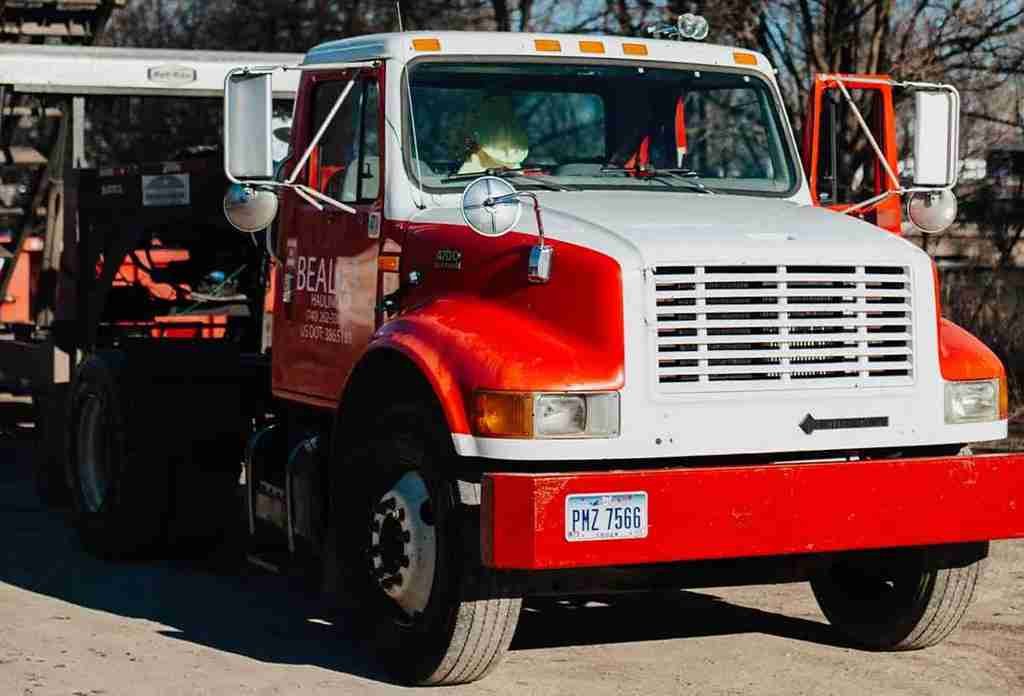
Michigan creates a common licensing trap because chauffeur license and commercial driver’s license (CDL) do not mean the same thing. Some paid drivers need a chauffeur license even though their vehicle is too small to require a CDL. Drivers of heavier combinations, large buses, or placarded HazMat vehicles need CDL authority added to the appropriate Michigan license.
This page only answers the chauffeur-versus-CDL decision. For CLP steps, knowledge tests, ELDT, fees, and the skills test, use the Michigan CDL Practice Test and Requirements guide.
The Short Answer
| Situation | Likely Michigan credential |
|---|---|
| Ordinary personal passenger vehicle | Operator license |
| Paid driving or qualifying carriage below CDL thresholds | Chauffeur license may be required |
| Vehicle or combination meeting Group A, B, or C rules | Chauffeur license with the required CDL group and endorsements |
| Valid CDL or CLP holder adding chauffeur authority | Chauffeur knowledge exam is waived |
| Air brakes on a vehicle below CDL thresholds | Air brakes alone do not automatically make it a CDL vehicle |
| Placarded hazardous materials | CDL with H or X endorsement and federal security requirements |
| Vehicle designed for 16 or more people including driver | CDL Group C or higher with passenger qualification |
“Likely” matters because exemptions and the vehicle’s actual ratings can change the answer. Confirm unusual farm, emergency, government, recreational, or private-operation cases with Michigan Secretary of State before driving.
When Michigan Requires a Chauffeur License
Michigan SOS says a chauffeur license is generally required, unless exempt, when a person:
- is employed principally to operate a motor vehicle or combination rated at 10,000 pounds or more;
- operates as a carrier of passengers;
- operates as a common or contract carrier of property;
- operates a bus or school bus.
A chauffeur license is a Michigan base-license type. It is not a substitute for CDL group and endorsement requirements. A delivery driver may need chauffeur authority without needing Group A, B, or C. A tractor-trailer driver normally needs the chauffeur base license plus the appropriate CDL designations.
Common examples that may fall into the chauffeur-only range include qualifying delivery vehicles, work trucks, passenger services, and commercial vehicles between the ordinary operator range and federal CDL thresholds. The exact answer depends on the employer’s purpose, vehicle rating, cargo, passenger use, and exemptions.
When a Full CDL Is Required
Use the manufacturer’s GVWR and GCWR labels, not an estimate of the empty weight.
Group A
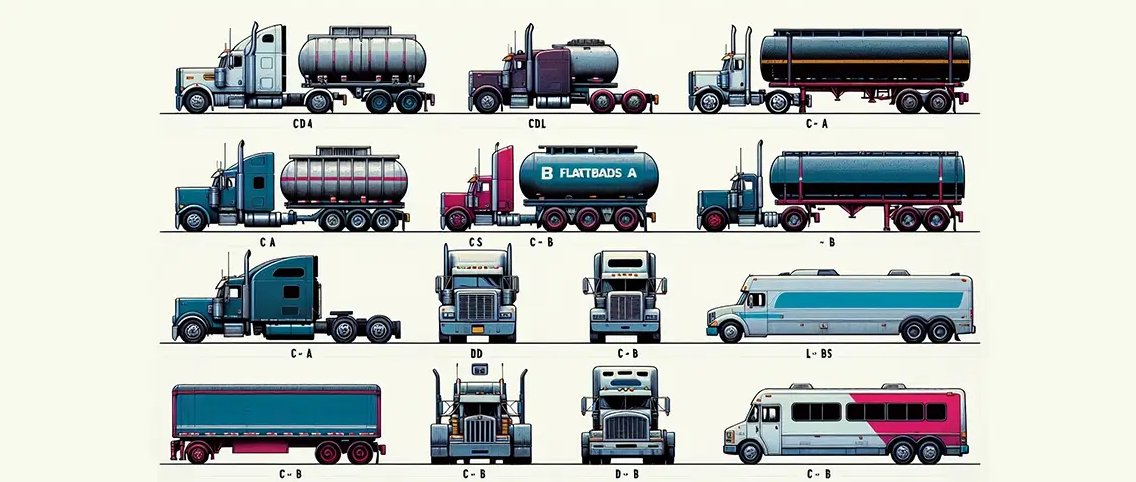
Group A generally covers a combination rated at 26,001 pounds or more when the towed unit is rated over 10,000 pounds. Tractor-semitrailers are the common example, but the ratings and configuration control the classification.
Group B
Group B generally covers a single vehicle rated at 26,001 pounds or more, including a qualifying heavy vehicle towing a unit rated at 10,000 pounds or less.
Group C
Group C covers vehicles that do not meet Group A or B weight definitions but are designed to transport 16 or more people including the driver, or carry hazardous materials requiring placards or specified regulated materials.
Air brakes are not a standalone CDL trigger
An air-brake system affects testing and restrictions after a vehicle is CDL-regulated, but the presence of air brakes by itself does not turn every vehicle into a CDL vehicle. Determine the group from weight, passenger, and cargo rules first.
Michigan Chauffeur Knowledge Test and Fees
Michigan currently lists:
| Chauffeur transaction | Current amount or rule |
|---|---|
| Standard chauffeur license | $35 |
| Enhanced chauffeur license | $50 |
| Knowledge exam | 15 questions |
| Skills test | Not required unless the applicant has never been licensed |
| Exam waiver | Valid CDL or CLP holders do not take the chauffeur knowledge exam |
| Test languages | Michigan lists English, Spanish, and Arabic |
An enhanced chauffeur license can also serve as a document for re-entry to the United States by land or sea from Canada, Mexico, Bermuda, and the Caribbean, subject to current border requirements. Proof of U.S. citizenship is required for the enhanced version.
The chauffeur exam covers Michigan driving and commercial responsibility. Use the official TS-025 chauffeur brochure rather than studying only CDL endorsement questions.
Decision Examples
Local delivery van
A worker hired principally to deliver property may need a chauffeur license even when the van does not meet Group A, B, or C thresholds. The job’s commercial purpose matters.
Heavy straight truck
A straight truck rated at 26,001 pounds or more normally requires Group B authority. Appropriate endorsements and air-brake qualification may also be necessary.
Pickup and heavy trailer
Do not classify the combination from the pickup alone. If the combination and trailer ratings meet Group A rules, a CDL may be required even when the power unit resembles a personal truck.
Small passenger shuttle
Passenger capacity and the nature of the operation determine whether chauffeur authority alone is enough or whether Group C with a passenger endorsement is required. “Small bus” is not a legal classification.
Farm vehicle
Michigan lists exemptions in specific circumstances, but “farm use” is not a universal waiver. Ownership, operator relationship, distance, cargo, and whether the movement is for hire can matter. Confirm the actual operation before relying on an exemption.
Recreational vehicle
Personal recreational operation can be treated differently from commercial passenger or property carriage. Using a similar vehicle for paid transportation can change the licensing requirement.
How CDL Designations Fit the Michigan License
Michigan issues operator and chauffeur base licenses. When commercial group designations and endorsements are required, they are added to the appropriate credential. That is why an applicant may hear both “chauffeur license” and “CDL” during the same transaction.
A CDL applicant still must complete the commercial process:
- determine the correct group and endorsements;
- meet medical and identity requirements;
- pass applicable knowledge tests;
- obtain and hold the CLP for at least 14 days;
- complete applicable ELDT;
- pass inspection, controls, and road testing through an approved business;
- return to Secretary of State for issuance.
Those steps belong to the Michigan CDL requirements page, not this chauffeur comparison.
Questions to Ask Before Accepting a Driving Job
Get these facts in writing from the employer or vehicle owner:
- GVWR shown on the power unit label;
- trailer GVWR;
- GCWR or actual combination classification;
- maximum designed passenger capacity;
- whether hazardous materials require placards;
- whether the operation crosses state lines;
- whether transportation is for hire;
- required CDL group and endorsements;
- whether the vehicle has full air brakes or a manual transmission;
- whether any claimed exemption actually applies to the operation.
An employer calling the vehicle “non-CDL” does not override the legal ratings and use.

Related Michigan Resources
- Michigan CDL Practice Test and Requirements
- Michigan CDL Manual and Study Plan
- General Knowledge diagnostic
- Air Brakes diagnostic
- Combination Vehicles diagnostic
Official Sources
- Michigan SOS — Chauffeur License FAQ
- Michigan SOS — Applying for a CDL
- Michigan SOS — License and ID Types
- Michigan Commercial Driver License Manual