
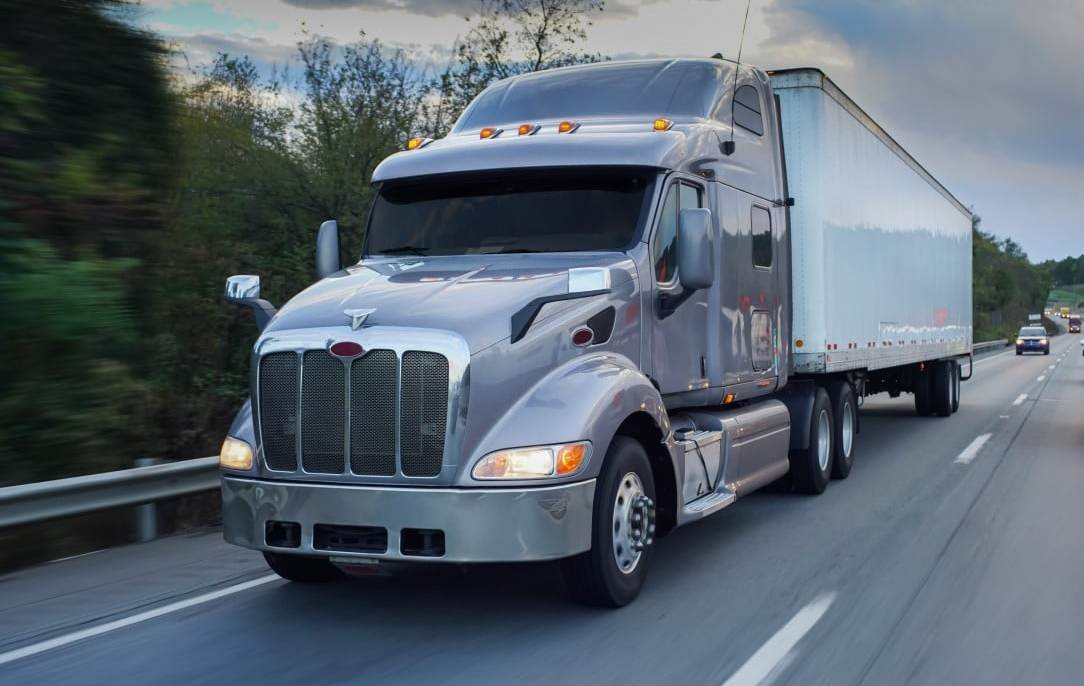
The fastest answer to what is a Class A CDL is this: it is the commercial license for heavy combination vehicles, especially the tractor-trailer setups most people picture when they think of trucking.
If you are asking what is class a cdl, what is cdl a license, or class a cdl meaning, the key idea is not just “big truck.” It is a truck and trailer combination that crosses specific federal weight thresholds.
Class A CDL Definition in Plain English
A Class A CDL is a commercial driver’s license for combination vehicles with a Gross Combination Weight Rating (GCWR) of 26,001 pounds or more, as long as the trailer is over 10,000 pounds.
That is the formal answer. In plain English, a Class A CDL is the license you need for most full-size semis, many flatbeds, tankers, livestock trailers, and other heavy truck-and-trailer combinations.
If you are searching what is a class a driver’s license, what is a class a driver license, or what is a cdl-a license, that is the definition you want to remember.
The 26,001 lb Rule and the 10,000 lb Trailer Rule
The definition of a Class A CDL comes down to two numbers:
- 26,001 lbs or more combined
- Trailer over 10,000 lbs
Both matter.
| Question | If Yes | If No |
|---|---|---|
| Is the truck and trailer combination 26,001 lbs or more? | Check the trailer weight next | Usually not Class A by weight |
| Is the trailer over 10,000 lbs? | Usually Class A CDL | Often Class B or non-CDL, depending on the setup |
Examples:
- A pickup rated at 14,000 lbs pulling a trailer rated at 14,000 lbs usually needs a Class A CDL.
- A 30,000-lb straight truck pulling a small trailer under 10,000 lbs usually points to Class B, not Class A.
This is why users searching cdl a, cdl class a, or what is a cdl class a often get confused. The trailer rule is what separates Class A from other commercial classes.
What Can You Drive with a Class A CDL?
If your question is really what can you drive with a class a cdl, this is where Class A becomes attractive. It opens the door to the most common long-haul and high-capacity commercial vehicles.
Typical Class A vehicles include:
- Tractor-trailers
- Dry vans and refrigerated trailers
- Flatbeds and lowboys
- Tankers
- Livestock carriers
- Doubles and triples with the right endorsement
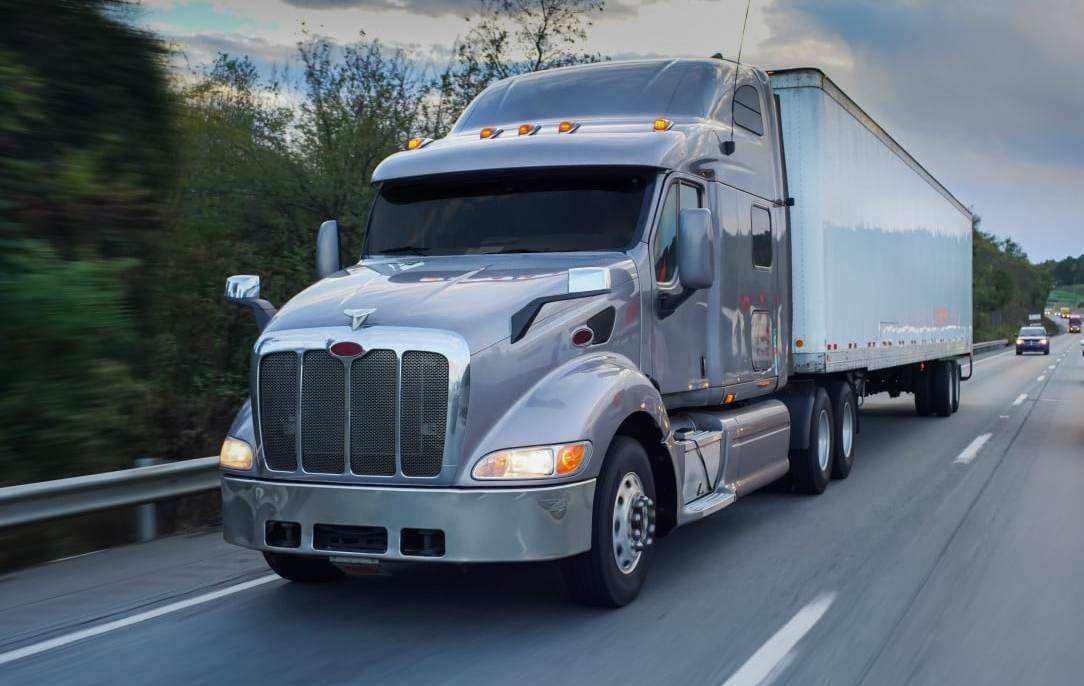
It also has a second advantage: a Class A CDL can usually cover Class B and Class C commercial vehicles too, as long as the driver has any endorsements the job requires.
That means a Class A driver can often move between:
- Long-haul tractor-trailers
- Local dump trucks
- Large box trucks
- Some bus or passenger work with proper endorsements
What Is a Class A CDL For?
Another way people ask this question is: what is a class a drivers license for?
A Class A CDL is for drivers who want to operate the largest and most versatile commercial vehicle combinations. It is most often used for:
- Long-haul over-the-road freight
- Regional linehaul runs
- Flatbed and equipment hauling
- Tanker work
- HazMat freight
- LTL doubles and triples
It is also the class most drivers choose when they want the broadest job market and the highest pay ceiling in trucking.
Class A CDL vs Class B
Users also search cdl class b vs a, and that comparison matters because these two licenses open very different paths.
| Topic | Class A CDL | Class B CDL |
|---|---|---|
| Main use | Heavy combination vehicles | Heavy single vehicles |
| Trailer rule | Trailer is over 10,000 lbs | Trailer is 10,000 lbs or less |
| Typical vehicles | Semi, flatbed, tanker, doubles | Dump truck, box truck, bus, concrete mixer |
| Job pattern | More long-haul and regional freight | More local and city work |
| Pay ceiling | Usually higher | Usually lower, though some local jobs are strong |
In short:
- Class A is usually for truck-and-trailer combinations.
- Class B is usually for heavy straight trucks.
If your long-term goal is flexibility, Class A is the broader credential.
Salary and Career Potential
One reason so many people search cdl-a license instead of Class B first is that Class A usually gives access to more job types and a higher long-term earnings ceiling.
Typical ranges vary by freight type and home time, but a rough comparison looks like this:
| Career Stage | Class A CDL | Class B CDL |
|---|---|---|
| Entry level | Often $55,000 to $75,000 | Often $38,000 to $55,000 |
| Experienced | Often $80,000 to $130,000+ | Often $55,000 to $80,000 |
| Specialized work | HazMat, tanker, oversized, LTL can pay more | Some union, transit, and vocational roles can still pay well |
That does not mean Class A is automatically better for every driver. It does mean Class A creates more room to move into higher-paying specialized freight later.
How to Get a Class A CDL
If you decide this is the right path, the process is fairly standardized.
- Pass the written permit tests: General Knowledge, Air Brakes, and Combination Vehicles are the most common starting point.
- Get your Commercial Learner’s Permit (CLP): This allows you to begin supervised training.
- Complete ELDT training: Entry-Level Driver Training is required for most first-time Class A applicants.
- Pass a DOT physical: You need medical clearance for most commercial driving.
- Pass the Class A skills test: This includes pre-trip inspection, basic control skills, and the road test in a proper Class A combination vehicle.
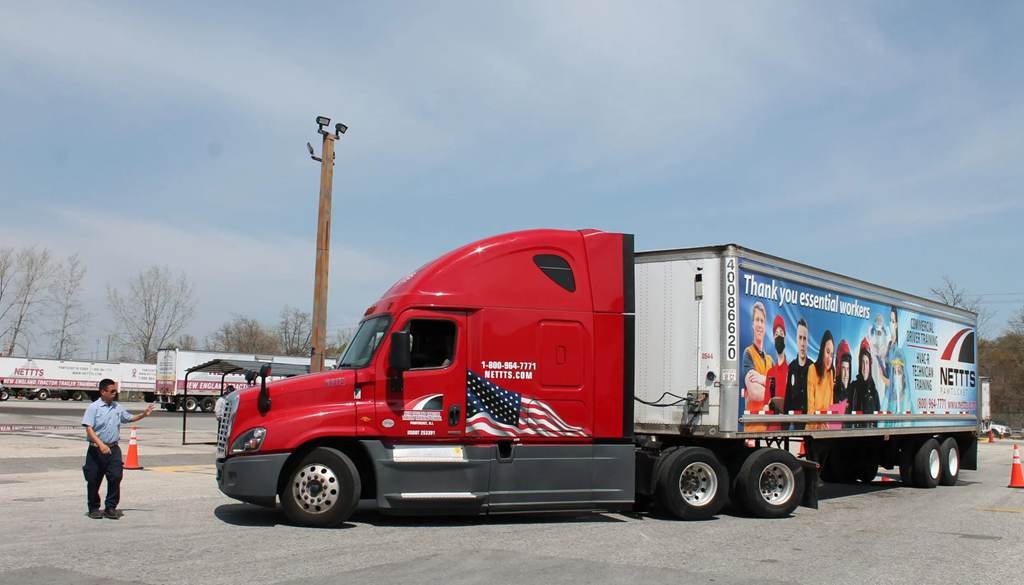
For a step-by-step walkthrough, our How to Get a Class A CDL guide goes deeper into cost, timeline, and training choices.
Is a Class A CDL Right for You?
A Class A CDL makes sense if:
- you want the widest range of trucking jobs
- you are open to trailer backing and combination vehicle driving
- you want access to endorsements like HazMat, Tanker, or Doubles/Triples
- you want the option to move into higher-paying freight later
It may not be the best first choice if:
- you only want strictly local straight-truck work
- you do not want to deal with trailers
- you are targeting a specific Class B job and do not need broader flexibility
Conclusion
So, what is a Class A CDL? It is the commercial license for heavy combination vehicles, especially truck-and-trailer setups where the combination is 26,001 lbs or more and the trailer is over 10,000 lbs.
If you want to drive a semi, pull a heavy trailer, or keep the widest range of trucking jobs open, Class A is the license that usually gets you there.
Frequently Asked Questions (FAQ)
What is a Class A CDL?
A Class A CDL is a commercial driver’s license for combination vehicles with a GCWR of 26,001 lbs or more when the trailer is over 10,000 lbs.
What can you drive with a Class A CDL?
A Class A CDL usually lets you drive tractor-trailers, flatbeds, tankers, doubles, triples, and many other heavy combinations. It also usually covers Class B and Class C commercial vehicles when endorsements are in place.
What is the difference between Class A and Class B CDL?
The biggest difference is the trailer. Class A usually applies to heavy combinations with a trailer over 10,000 lbs, while Class B usually applies to heavy single vehicles or heavy vehicles towing a lighter trailer.
Can a Class A driver drive a Class B truck?
Yes. A Class A CDL generally allows you to drive Class B and Class C commercial vehicles too, as long as you have any required endorsements.
How do you get a Class A CDL?
You usually need to pass the written permit tests, complete ELDT training, pass a DOT physical, and then pass the Class A skills test in a proper combination vehicle.