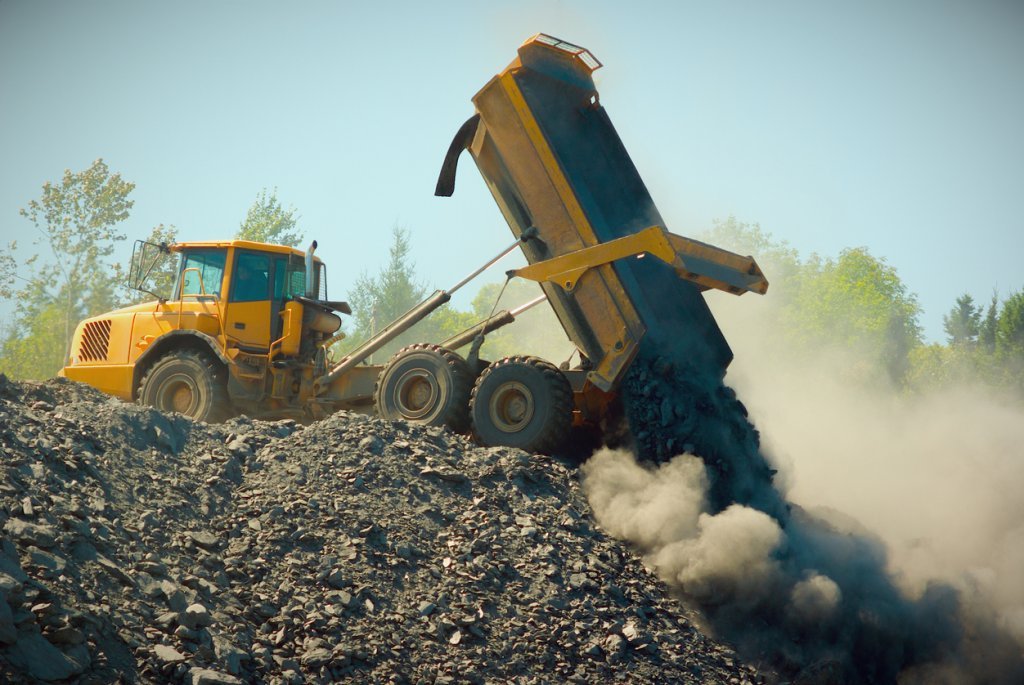
Not everyone wants to drive an 18-wheeler. The Class B CDL is the license for drivers who want to operate dump trucks, concrete mixers, garbage trucks, city buses, and delivery box trucks - vehicles that are heavy but do not pull a separate trailer.
The best part? The exam is simpler because you can skip the “Combination Vehicles” section entirely. But that does not mean it is easy. The Air Brakes test will still test you on the same PSI numbers, and the pre-trip inspection still requires a flawless performance.
This guide focuses on exactly what Class B drivers need to know for 2026, with practice questions and a study plan tailored to straight truck operations.
What Vehicles Can You Drive with a Class B CDL?
A Class B CDL covers any single vehicle with a Gross Vehicle Weight Rating (GVWR) of 26,001 lbs or more, or any such vehicle towing another vehicle weighing 10,000 lbs or less.
Common Class B vehicles and typical pay ranges:
- Dump truck (articulated or straight): $45,000 to $65,000/year. Construction season work, home daily.
- Concrete mixer: $50,000 to $70,000/year. Physically demanding but steady work.
- Garbage truck / refuse hauler: $50,000 to $75,000/year. Union jobs often include excellent benefits.
- City bus / transit bus: $40,000 to $60,000/year. Requires Passenger (P) endorsement.
- Box truck / straight truck delivery: $38,000 to $55,000/year. Local routes, home every night.
- Cement pump truck: $55,000 to $80,000/year. Specialized equipment, higher pay.
The key advantage of Class B: almost all jobs are local and home daily. You are not sleeping in a truck stop 1,200 miles from home.
What Tests Do You Need for a Class B CDL?
To get your Class B Commercial Learner’s Permit (CLP), you must pass two written exams at the DMV:
- General Knowledge: 50 questions, 80% to pass (40 correct). Covers vehicle inspection, basic control, shifting, space management, night driving, and cargo securement.
- Air Brakes: 25 questions, 80% to pass (20 correct). Covers air system components, PSI values, leak tests, and emergency procedures.
What you skip: You do NOT need the Combination Vehicles test (20 questions about trailers and fifth wheels). You also do not need to study Doubles and Triples.
If you want to add endorsements later (Passenger, HazMat, Tanker), those are separate written tests. See our CDL Endorsement Guide for details.
The Pre-Trip Inspection for Class B
The pre-trip inspection for a Class B vehicle is slightly different from a Class A. Since you do not have a trailer, you skip:
- Fifth wheel inspection (apron, skid plate, release arm)
- Kingpin check
- Air lines between tractor and trailer (glad hands)
- Trailer brake checks
However, you must still perform a full engine compartment check, a complete cab inspection, and the critical Air Brake Leak Down Test (L.A.B.). The engine compartment check includes belts, hoses, fluid levels, steering box, tie rods, springs, and U-bolts. The examiner expects you to point to each component and state whether it is safe or unsafe.
Tip: The pre-trip is where most Class B candidates fail. Practice pointing to each component and narrating out loud. Our CDL Air Brakes Practice Test covers the L.A.B. procedure in detail.
Class B Practice Questions
These questions are tailored to straight truck operations. They focus on the two tests you actually need: General Knowledge and Air Brakes.
Even though a Class B truck is smaller than a semi, gravity works the same way on 26,000+ pounds. You must rely on engine braking (a lower gear) to control your speed on downgrades. Using only the service brakes will cause brake fade, and coasting in neutral is illegal in every state.
Dump trucks have a high center of gravity even when empty. When loaded with gravel, sand, or demolition debris, that center of gravity goes even higher. This makes dump trucks extremely prone to tipping over in curves and on uneven ground. Slow down before turns, not during them.
If a slack adjuster moves more than about 1 inch (for a Type 30 brake chamber), the brakes are out of adjustment and the vehicle is unsafe to drive. Automatic slack adjusters should never need manual adjustment. If they are out of adjustment, something is broken and the vehicle must be repaired before it can be driven.
32,500 lbs equals approximately 16.25 tons. The bridge is posted at 15 tons. Even though you are under your vehicle's GVWR, your actual weight exceeds the bridge's capacity. You must find an alternate route. Bridge weight limits are based on structural engineering, not vehicle ratings.
If someone is tailgating you, the safest response is to increase your own following distance from the vehicle ahead. This gives you more room to stop gradually if traffic slows, which reduces the chance that the tailgater rear-ends you. Never brake-check another vehicle. Never speed up to "escape" a tailgater.
A straight truck (single vehicle, no trailer) has a lower leak rate threshold than a combination vehicle. During the Static test (engine off, foot off the brake), the maximum allowable air loss is 2 psi in one minute. The Combination Vehicle limit is 3 psi. Know both numbers because the exam will mix them up.
Can You Upgrade from Class B to Class A?
Yes. But it is not a simple paperwork upgrade. To move from Class B to Class A, you must:
- Pass the Combination Vehicles written test (20 questions, 80% to pass).
- Complete ELDT behind-the-wheel training in a Class A vehicle combination (tractor-trailer).
- Retake the full three-part skills test (pre-trip, backing, road test) in a Class A vehicle.
If you are on the fence about which license to get, consider going straight for the Class A. It opens more job opportunities and higher pay. Our How to Get a Class A CDL guide walks you through the process.
Study Strategy for Class B Drivers
Week 1: Read Sections 2 and 5 of your state CDL manual. Section 2 is General Knowledge. Section 5 is Air Brakes. Skip Section 6 (Combination Vehicles) entirely.
Week 2: Take practice tests. Start with our Free CDL Practice Test for General Knowledge, then focus on the Air Brakes questions. Aim for 90% on both before scheduling your DMV appointment.
Week 3: Practice the pre-trip inspection out loud. Film yourself on your phone and watch it back. Time yourself - you typically have about 30 minutes for the full pre-trip during the skills test.
For the skills test backing maneuvers, practice in an empty parking lot with cones. Straight trucks back much easier than tractor-trailers, but you still need to demonstrate control.
Conclusion
The Class B CDL is the fastest path to a steady, local driving career. You skip the Combination Vehicles test and the complex trailer backing maneuvers. But you still need to master General Knowledge and Air Brakes, and the pre-trip inspection demands the same level of precision as the Class A test.
Use the practice questions above to gauge your readiness. If you are scoring 80% or higher, move on to the full-length practice tests. If not, go back to the manual and re-read the sections where you are weakest.
Frequently Asked Questions (FAQ)
What tests do I need for a Class B CDL?
For a standard Class B CDL, you must pass two written knowledge tests at the DMV: the General Knowledge test (50 questions, 80% to pass) and the Air Brakes test (25 questions, 80% to pass). You do not need to take the Combination Vehicles test. If you want to add endorsements like Passenger, HazMat, or Tanker, those require separate written exams.
Is the Class B road test easier?
Yes, generally. Backing a straight truck is significantly easier than backing an articulated tractor-trailer because the vehicle does not bend in the middle. However, you still need to perform a perfect Pre-Trip Inspection and Air Brake Check. The road test portion is similar - you drive on public streets while the examiner evaluates your turns, shifting, lane changes, and hazard awareness.